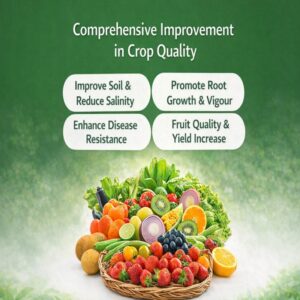
Sustainable agriculture aims to increase food production while protecting natural resources. Modern fertilizers play a vital role in achieving this balance.
Reducing Nutrient Loss
Traditional fertilization methods often result in nutrient runoff and volatilization. Modern fertilizers are designed to improve nutrient utilization, reducing loss and improving crop uptake efficiency.
Supporting Environmental Protection
Advanced fertilizer technologies help:
Reduce groundwater pollution
Lower greenhouse gas emissions
Protect surrounding ecosystems
By using efficient fertilizer solutions, farmers can meet production goals while minimizing environmental risks.
Improving Long-Term Soil Fertility
Biological fertilizers and soil conditioners enhance soil microbial diversity, improving nutrient cycling and organic matter content. This leads to healthier soil over time and reduces dependence on excessive chemical inputs.
Future Trends in Fertilizer Development
The future of fertilizer technology focuses on precision agriculture, digital farming tools, and customized nutrient solutions. These innovations help farmers make data-driven decisions and achieve higher productivity with fewer resources.