Modern agriculture depends not only on increasing crop yield, but also on maintaining long-term soil health. Fertilizers play a critical role in balancing soil nutrients, improving crop growth, and supporting sustainable farming practices.
Understanding Soil Nutrient Deficiency
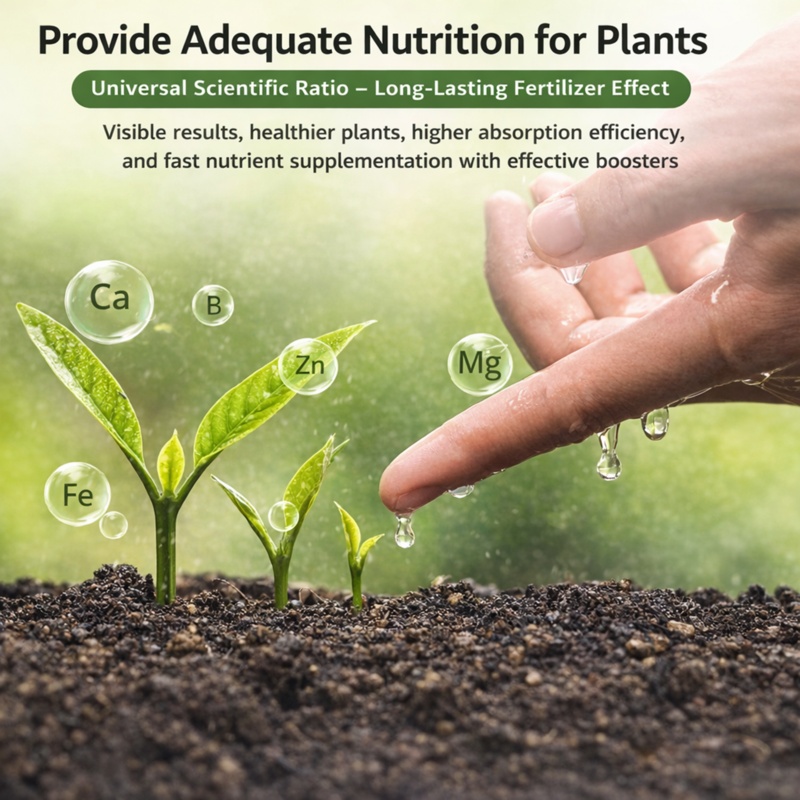
Soil naturally loses nutrients after repeated planting and harvesting. Essential elements such as nitrogen (N), phosphorus (P), and potassium (K) are often depleted, leading to weak plant growth, low resistance to disease, and reduced yields.
Fertilizers help restore these essential nutrients and ensure crops receive balanced nutrition throughout their growth cycle.
How Fertilizers Enhance Soil Structure
High-quality fertilizers, especially those combined with organic matter or biological components, can improve soil structure by:
- Increasing microbial activity
- Enhancing soil water retention
- Improving root penetration and oxygen exchange
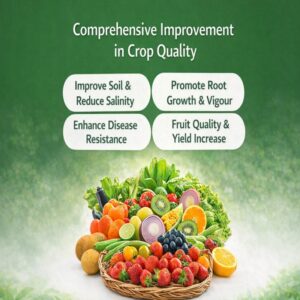
Healthy soil structure allows crops to absorb nutrients more efficiently, resulting in stronger root systems and healthier plants.
Impact on Crop Yield and Quality
When crops receive adequate and balanced nutrients:
- Growth becomes more uniform
- Flowering and fruiting improve
- Crop quality and market value increase
Proper fertilizer application not only boosts yield but also improves product consistency, which is essential for commercial farming.
Sustainable Fertilizer Use
Modern fertilizer solutions focus on efficiency and sustainability. Controlled-release fertilizers and biological fertilizers reduce nutrient loss and minimize environmental impact, making them ideal for long-term agricultural development.