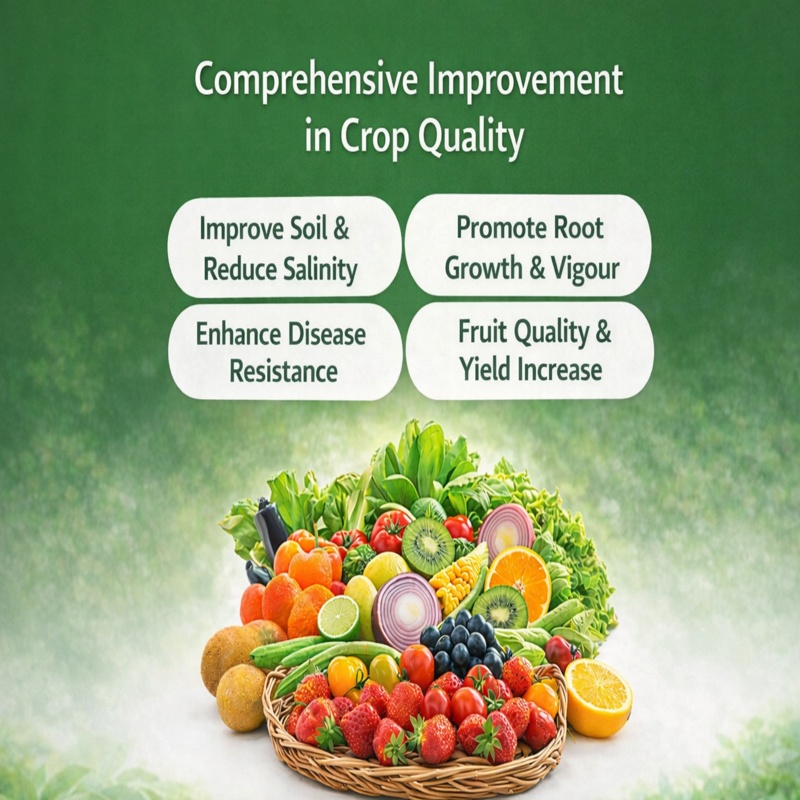
Different crops have different nutritional requirements. Selecting the right fertilizer is essential for maximizing yield, reducing waste, and protecting soil health.
Crop-Specific Nutrient Needs
Each crop requires a unique balance of nutrients:
- Cereals often require higher nitrogen levels
- Fruit and vegetable crops benefit from balanced NPK ratios
- Root crops need adequate potassium for size and quality
Understanding crop nutrient demand helps farmers avoid under-fertilization or excessive application.
Soil Testing Before Fertilization
Soil testing provides valuable data on existing nutrient levels and pH balance. Based on test results, fertilizers can be selected and adjusted to meet specific soil conditions, improving efficiency and reducing costs.
Types of Fertilizers
Common fertilizer categories include:
- Compound fertilizers (balanced nutrition)
- Water-soluble fertilizers (fast absorption)
- Organic and biological fertilizers (soil improvement)
- Customized formulations (targeted solutions)
Each type serves a different purpose depending on crop stage and farming method.
Best Practices for Application
Applying fertilizers at the right time and in the right quantity is just as important as choosing the product itself. Split applications and precision fertilization techniques help ensure nutrients are delivered when crops need them most.